Showing posts with label lead generation. Show all posts

Friday, 10 January 2014

26 Ways to Use Social Media for Lead Generation by Debbie Hemley

Is your business looking for leads?
As enticing as the saying is, “If you build it, they will come,” we all know that just because we build a social media presence, people don’t magically start knocking down our door.
Instead, we need to encourage people to come to our social pages and once they’re there, we have to create enough value for them to hang around. And through these repeated exchanges, casual users can become regular visitors as well as valuable leads.
In previous posts, I’ve written A-Z guides to help create the absolute best presence onTwitter, Facebook, LinkedIn and blogs. Now let’s turn our attention to harnessing the power of those efforts for lead generation.

#1: Assets

As part of your social media marketing plan, Michelle deHaaff suggests that companies examine social media and online assets to see what they can leverage for full social media engagement. She identifies seven key assets: location, people, stories, images, video, audio and words to help us think about engaging more fully.

#2: Brand Message

Ethan Lyon suggests that users want to identify with a brand. He offers Nike’s identity as an example, “Customers buy Nike because the brand gives them the confidence to succeed—much like an effective coach.” What is your brand message? What should users know about you? Can they tell that from what you’re posting?

#3: Compelling Messages

Use compelling messages throughout your communications. Craft messages that users can relate to and won’t be able to resist. These are generally the messages that speak like real people and not marketing spin. Below is an example from Pogue’s Post.
david pogue verizon
David Pogue uses a conversational tone and a bit of humor to drive home a point from Pogue's Post.

#4: Differentiations

Because there’s a tremendous amount of competition vying for consumers’ attention in the social media arena, businesses that can differentiate themselves will stand out and get noticed. Zappos Service Twitter page shows how to make it friendly and feel like you’re hanging out with a good friend. Create remarkable content.
zappos twitterhttp://www.socialmediaexaminer.com/wp-admin/post.php?action=edit&post=8364&message=1
Zappos employees tell you when they're signing off and when they're leaving for the night.

#5: Etiquette

Michelle Golden recommends in her book Social Media Strategies for Professionals and Their Firms to practice good etiquette. “Definitely don’t write about and link only to your stuff. Instead, go out of your way to promote others liberally.”

#6: Feedback

Users who write comments and ask questions appreciate receiving feedback. Make it a regular practice to take time to respond.
sme feedback
A fan poses a question on Social Media Examiner's Facebook page and Cindy King responds with a timely answer and directs the fan to a link.

#7: Google

Remember that the social media updates you post via your blog, Facebook page, tweets and YouTube channel appear in search results, too. The person searching is an active user looking for information, and bringing the user to your pages is an excellent way to get in front of potential customers.
google search
A person looking for sources for how to choose a paint color would find blog posts and videos. This person is looking for help and the companies have provided advice and solutions. The companies have found ways to get in front of potential customers.

#8: Help a Reporter Out

Companies are often looking for ways to share experiences that might be referenced in blog posts and articles. You don’t have to be a big company to get picked up for a story.
Sign up for Help a Reporter Out and when you have a story to share on a topic, offer the information to the reporter. HARO is one good way to spread information and gethigh-quality, free publicity for your business. Keep your eyes open for other ways to distribute information about your business with social media press releases.
help a reporter
HARO serves as a vital social networking resource for sources, reporters and advertisers.

#9: Icons

Social media icons help users share your content and offer ways for people to like your content. Likes are valuable votes of confidence and go a long way with users who may have come to your site for the first time. Make your content easy to share.

#10: Joy

In Guy Kawasaki’s new book Enchantment: The Art of Changing Hearts, Minds and Actions, he tells us that achieving trustworthiness will go a long way for a business. People want to do business with companies and people they can trust. And sometimes it means that we may end up giving our time or some kind of service that we’re not compensated for. Guy suggests that we give with joy.

#11: Knowledge-sharing

Share your knowledge freely in blog posts and white papers. Some businesses are afraid they’ll give away all of their secrets. Your knowledge is a valuable asset; don’t be afraid to share what you know.
hubspot knowledge sharing
HubSpot's inbound Internet marketing blog regularly shares the blogger's personal experiences in marketing and is very generous about sharing tips.

#12: Leverage Content Products

Jeff Bullas recommends using 7 content products for marketing: social media, e-newsletters, blogs, white papers, article marketing, case studies and online videos.
Use a good mix of content, because not all users will read a case study or watch an online video. You’ll increase your odds of being seen by more people by using a mix of content products.

#13: Monitor Conversations

Monitor conversations about your brand and competitors. There are many social media listening tools that will help you keep a pulse on what’s being talked about. The more you know, the more responsive you can be.

#14: Nobodies Are the New Somebodies

One of the most serious mistakes we can make is to pass up a potential lead because we don’t perceive the company or person to be a valuable lead. As Guy Kawasaki says, “Nobodies are the new somebodies in the world of wide-open communications.”Treat everyone with the same attention and respect.

#15: Offline Skills

Online skills don’t have to be inherently different than the way we act offline. Erica Swallow suggests that we use our offline skills and go out there and “Meet people, communicate and build relationships… Be genuine, track conversations and respond to inquiries promptly and thoroughly.”

#16: Produce Content

Not only do we have to produce content, we also have to produce enough of it.HubSpot provides some interesting recommendations: “Businesses must produce enough content for their blog to kick off growth in leads, which starts with about 24 to 51 posts.” HubSpot found that more indexed pages on Google also translate to more leads. They suggest that every 50 to 100 incremental indexed pages can mean double-digit lead growth.

#17: Questions

Lisa Barone recommends that social media marketers should “answer questionsbecause they’re a good way to establish your authority, but also for people to ‘test’ you out.”

#18: Relationships

Lisa Barone also suggests that “social media is an emerging lead generation tool because it lowers the barrier to the sale by building relationships, displaying expertise and through networking you’re able to bring in more people than cold calling ever could.”

#19: Showcase Your Experience

According to Erica Swallow, “The first step to engaging a community of potential customers is sharing content that showcases your expertise. A simple social media update usually isn’t enough to convey a full analysis on a topic. Include links with your updates that expand on key ideas. Keep in mind that your goal is to create value for your followers. Learn what your fans respond to and what they don’t, and then adjust your updates based on that information.”

#20: Target Personas

Buyer personas have been around long before social media hit our radar screens, but marketers have found that having a good picture in mind of the target customer is beneficial in terms of how we write our content.
A blog, for example, can have multiple categories of topics and so you may find that certain categories speak more to certain personas than others. And certain Facebook and Twitter updates may appeal to certain users.
Regardless of how you segment these groups, it’s incredibly beneficial to share target persona information with whoever is developing content for your social media channels.
target persona
Before writing, review your persona list to remind yourself whom you're conversing with.

#21: Useful Content

Kristina Halvorson, author of Content Strategy for the Web, says that if our content isn’t supporting the successful fulfillment of our business objectives or our users’ top goals, then it’s a waste of pixels. She suggests adding two columns to a content inventory: value to user and value to business.

#22: Value

Guy Kawasaki says there are three types of value: 1) pointers to useful, inspiring or entertaining content, 2) personal insights, observations or content, 3) advice and assistance. Guy’s recommendation is to pass along these gems to friends and followers to help them derive more value from online resources.

#23: Word of Mouth

The Marqui Web Marketing Blog’s post 6 Ways Social Media Marketing Helps B2B Lead Generation says, “Word of mouth has been, and continues to be, one of the best ways to generate more leads for your business. Buyers tend to trust peer referrals more than any other source of information and since social media allows people to share their experiences (both good and bad) with a wide range of people, this can help increase trust in your company’s products and services.”

#24: Excellence

The Network Singularity blog says “there are 5 C’s to social media excellence:coordination of social media activities, commitment means engaging with your environment and deliberately pursuing social interactions, confidence in your social media activities, comprehension of social media, and cultivation of worthwhile and friendly relationships.”

#25: Yes

Being likable on social media enhances our potential for lead generation. Guy Kawasaki says one way to become likable is to “adopt a yes attitude. This means your default response to people’s requests is yes… By contrast, a no response stops everything… To make a default yes work, you must assume people are reasonable, honest and grateful.”

#26: Zeal

Enthusiasm is contagious. By showing the fervor you have for your business, products and services, and through the content you share on your social media channels, users will be inclined to want to stick around, engage and build a relationship. Reach out and show your enthusiasm.

ABOUT THE AUTHOR, Debbie Hemley
Debbie Hemley is a freelance writer and social media coach. She helps businesses develop and maintain social media content strategies. Follow her on Twitter @dhemley & Facebook. Other posts by  »

Wednesday, 4 September 2013

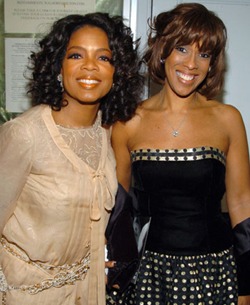
Oprah Winfrey :15 Inspiring Business Lessons from the worlds most powerful woman

 is a self-made CEO worth about $2.7 billion. By most accounts, she’s the greatest black philanthropist in American history and the most influential woman in the world.
But she could have been just another talk show host.
In 1984 she got her dream job: hosting a show called ‘AM Chicago’. Under her watch, it went from last to first in the ratings. Two years later, the program was being syndicated nationally as ‘The Oprah Winfrey Show’.
That’s when Oprah made the decision that transformed her from an entertainer to an entrepreneur with a salary of $290 million a year. I’ll explain that decision and how you can adopt Oprah’s mindset in the 15 lessons below.

15 Inspiring Business Lessons from Oprah Winfrey

#1 Be True to Your Self

“I had no idea that being your authentic self could make me as rich as I’ve become. If I had, I’d have done it a lot earlier.”
Oprah Winfrey
Oprah has been captivating audiences since she was three years old. Her local church had nicknamed Oprah “The Preacher” for her ability to recite Bible verses.
She had a knack for interviewing too. Back then, Oprah’s favorite game was to ask question of her doll and the crows on the fence of her family’s property. In other words, Winfrey was pretty much born to be a talk show host.
If you feel like your job is a round hole and you’re a square peg, it’s time to make a change.

#2 Respond to Prejudice with Excellence

In the early 1970’s, Oprah landed a job as the first black female news anchor at Nashville’s WLAC-TV. In 1976 Winfrey got an offer to anchor the six o’clock news in Baltimore. Ten years later, she was the host of The Oprah Winfrey Show – the number-one daytime talk show in America.
Oprah knew all along that she wasn’t what TV producers wanted in front of the camera. As TIME magazine wrote, “In a field dominated by white males, she is a black female of ample bulk.”
Knowing this, she could have given up. But Winfrey believed that she could overcome prejudice in her industry by being the best in her industry:
“Excellence is the best deterrent to racism or sexism.”
Oprah Winfrey

#3 If You Haven’t Fallen, You Haven’t Walked

“Go ahead. Fall down. The world looks different from the ground.”
Oprah Winfrey
Oprah, like mostly insanely successful people, doesn’t believe in failure.
What most people think of as failure, Winfrey considers to be a new perspective, a new lesson, another stepping stone to her destination.
This is the advice she has for those afraid to fail: “Do the one thing you think you cannot do. Fail at it. Try again. Do better.”

#4 Find the Good in the Bad

When Winfrey was co-anchoring the evening news in Baltimore, a botched hair treatment destroyed her hair and left her totally bald. Winfrey was devastated, knowing how important a good head of hair is for a news anchor.
But she was also able to look on the bright side. Years later, Oprah told Ms. magazine, “You learn a lot about yourself when you’re bald.”
“Turn your wounds into wisdom.”
Oprah Winfrey
Winfrey’s past is full of struggle – she grew up poor, was sexually abused as a child, and had a son at the age of 14 who died in infancy – but she credits these events for giving her more capacity to relate to the pain of others.
I’m not going to tell you that “everything happens for a reason,” but I can promise you that there are two sides to every coin. As Winfrey puts it, “every single event in life happens in an opportunity to choose love over fear.”

#5 Challenge the Status Quo

School teaches kids that success is achieved by following instructions and by doing things the way they’re “supposed to be” done.
But life and business teach a different lesson.
When Winfrey got her first job as a news anchor, she didn’t read the news in a dry, objective tone (as it was “supposed to be” read). She spoke with emotion and empathy, as if she was really experiencing what she was reporting. It was different, but audiences liked it – and so TV producers did too.
After a few years of hosting ‘The Oprah Winfrey Show’, she again wanted to challenge the norm. Winfrey explains:
“I’m sick of people sittin’ in chairs stating their problems. Then we roll the videotape… then we have our experts on the topic… I’m in the ‘What’s next?’ phase of my career.”
What was next for Winfrey was a different kind of talk show, one that focused less on tabloid stories and more on broad issues like health, politics, and spirituality. Again, Winfrey’s willingness to forge her own path paid off: ‘Oprah’ ruled the day-time TV ratings until it went off the air in 2011.

#6 Follow Your Gut

“Your gut is your inner compass. Whenever you have to consult with other people for an answer, you’re headed in the wrong direction.”
Oprah Winfrey
A few years ago, I was faced with a big life crossroads. I wanted to choose my path in the most rational way possible, so I made a weighted chart with all of the positives and negatives, analyzed the data, and determined the “right” choice.
But something didn’t feel right.
Oprah would have told me to go with my gut. She’s a strong believer in her instincts, saying they’re “where true wisdom manifests itself.” She’s made her big decisions (like deciding to retire from ‘The Oprah Winfrey Show’) just based on a gut feeling.
Instinct-based decision making is faster, less stressful, and more holistic. So if you’ve been making all of your decisions based on rational analysis but you’re not 100% happy with the results, try following going with your gut for a change.

#7 Make Your Own Luck

You can’t earn $2.7 billion without getting lucky at least once.
Oprah understands that she’s been lucky, but she doesn’t see luck as pure chance:
“I feel that luck is preparation meeting opportunity.”
Oprah Winfrey
Every entrepreneur hopes to land a huge client or get a sudden spike in traffic, but if they’ve spent all their time hoping (and not preparing) then when that huge opportunity finally does come along, their business won’t be fully equipped to make the most of it.
Instead wishing for luck, think about what opportunity you would most like to receive in your life. Are you completely prepared to make the most of it?

#8 Help Yourself by Helping Others

Not only has Winfrey started her own charity (Oprah’s Angel Network), she’s also given more of her own money to philanthropic causes than any other performer in America (estimated at $303 million in 2007).
The main reason that Oprah does this is so that she can make a positive impact in the lives of others, but she also has a selfish reason:
“The surest way to bring goodness to yourself is to make it your intention to do good for somebody else.”
Oprah Winfrey
As entrepreneurs helping others, we demonstrate our value, encourage reciprocal help, build our networks, and create good karma. Doing good for others is doing good for yourself.

#9 Say “Thank You” More

 “The more you praise and celebrate your life, the more there is in life to celebrate.”
Oprah Winfrey
To celebrate two decades on national television, Winfrey thanked her hard-working staff by taking them and their families on vacation to Hawaii (1065 people in total). That’s a pretty big thank you.
Oprah’s such a fan of saying thanks, that she’s created an app called the “Thank You Game” which aspires to thank a half a billion people.
Feeling thankful for what we have and what other people have done for us is a great way to foster contentment in our lives. But Oprah also believes that it’s a key to finding success and getting more of what you want in life:
“Be thankful for what you have; you’ll end up having more. If you concentrate on what you don’t have, you will never, ever have enough.”
Oprah Winfrey

#10 Know How to Slow Down

The life of an entrepreneur is hectic. As I type this sentence, I have about five very different tasks on my to-do list and all of them probably should have been done yesterday.
Oprah’s life is even busier and much more stressful, which is why it’s so important for her to have ways of coping:
“Sometimes in the thick of life, when my call list is longer than the day and people are lined up waiting for meeting after meeting, I just stop. I still myself. And look at a tree. A flower. The sun’s light reflecting off the window. And I remember love is available. I inhale it, exhale, and get back to work.”
Next time you’re in a crunch and you’re ready to throw in the towel, remember Oprah’s method for slowing things down and regaining your clarity and focus. If she can put on a daily television show while working as CEO of Harpo Productions, there’s a chance you can get everything on your to-do list checked off today as well.

#11 Choose Your Friends Wisely

“Surround yourself with only people who are going to lift you higher.”
Oprah Winfrey
Peer pressure is a powerful thing. We take on the habits, attitudes, and tastes of the people we spend our time with. I’ve read several places that your income will be the average of your five closest friends.
But the more rich and successful you are, the more important it is for you to have true friends. Oprah knows this well: “Lots of people want to ride with you in the limo, but what you want is someone who will take the bus with you when the limo breaks down.”

#12 There is No Big Secret

“The big secret in life is that there’s no big secret. Whatever your aim, you will get there if you’re willing to work.”
Oprah Winfrey
Every successful entrepreneur who I’ve profiled is different, but they have one thing in common:  each has worked hard to accomplish their goals.
Oprah Winfrey pulled in a $290 million salary last year, but that figure represents 40 hour weeks piled on top of 50 hour weeks piled on top of 60 hour weeks.

#13 It’s Easier to Succeed While Doing What You Love

“You know you are on the road to success if you would do your job, and not be paid for it.”
Oprah Winfrey
When you’re doing what you love, then you’re probably going to do a better job.
You’ll also have more energy. Oprah says, “Passion is energy. Feel the power that comes from focusing on what excites you.”

#14 Own Everything You Do

“This is your moment. Own it.”
Oprah Winfrey
Winfrey chose to take ownership of her show when she founded Harpo Productions. Being CEO of Harpo empowered her to have control over every aspect of her show. It also opened the door for Winfrey to produce films, broadcast radio programs, and publish a magazine.
Oprah’s refused countless offers to endorse other company’s products. Everything that Oprah says, creates, or lends her name to, she owns. And she’s done it with virtually no outside investment: Winfrey owns 90% of stock in Harpo.
Not satisfied with just her own show, as of 2011 Winfrey has her own network. Naturally, its name is ‘OWN’ (Oprah Winfrey Network).

#15 You’re In Charge

“We’re each responsible for our own life. No one else is or even could be.”
Oprah Winfrey
I talk to a lot of people who have adopted a passive mindset in their life. The way they see it, things just happen to them and all they can do is react. These people allow other people and external forces control them.
Oprah never thought that way. She once said, “I don’t think of myself as a poor deprived ghetto girl who made good. I think of myself as somebody who from an early age knew I was responsible for myself, and I had to make good.”
You’re the only person in control of your hands, your feet, and your brain. What you choose to do with them will make all the difference in the world.


About Nick

Nick is an American writer, musician, and entrepreneur.
He makes creative web videos with his company Next Level Ink.

Wednesday, 28 August 2013

5 tips on Building Customer Relationships for your business


Never underestimate the value and reach of a loyal, repeat customer. Keep customers coming back for more--and bringing their friends with them--with these smart tips.


Money can't buy one of the most important things you need to promote your business: relationships. How do customer relationships drive your business? It's all about finding people who believe in your products or services. And when it comes to tracking these people down, you have two choices:
You can do all the legwork yourself and spend big marketing dollars. But that's like rolling a boulder up a hill. You want to drive your business into new territory, but every step is hard and expensive. There's another less painful--and potentially more profitable-way...
You can create an army to help you push that boulder up the hill instead. How do you do that? You develop relationships with people who don't just understand your particular expertise, product or service, but who are excited and buzzing about what you do. You stay connected with them and give them value, and they'll touch other people who can benefit your business.
Powerful relationships don't just happen from one-time meetings at networking events--you don't need another pocketful of random business cards to clutter your desk. What you need is a plan to make those connections grow and work for you. And it's not as hard as you think. Here are five essential tactics:
1. Build your network--it's your sales lifeline. Your network includes business colleagues, professional acquaintances, prospective and existing customers, partners, suppliers, contractors and association members, as well as family, friends and people you meet at school, church and in your community.
Contacts are potential customers waiting for you to connect with their needs. How do you turn networks of contacts into customers? Not by hoping they'll remember meeting you six months ago at that networking event. Networking is a long-term investment. Do it right by adding value to the relationship, and that contact you just made can really pay off. Communicate like your business's life depends on it. (Hint: And it does! Read on.)
2. Communication is a contact sport, so do it early and often. Relationships have a short shelf life. No matter how charming, enthusiastic or persuasive you are, no one will likely remember you from a business card or a one-time meeting. One of the biggest mistakes people make is that they come home from networking events and fail to follow up. Make the connection immediately. Send a "nice to meet you" e-mail or let these new contacts know you've added them to your newsletter list and then send them the latest copy. Immediately reinforce who you are, what you do and the connection you've made.
You rarely meet people at the exact moment when they need what you offer. When they're ready, will they think of you? Only if you stay on their minds. It's easier to keep a connection warm than to warm it up again once the trail goes cold. So take the time to turn your network of connections into educated customers.
3. E-mail marketing keeps relationships strong on a shoestring budget. Build your reputation as an expert by giving away some free insight. You have interesting things to say! An easy way to communicate is with a brief e-mail newsletter that shows prospects why they should buy from you. For just pennies per customer, you can distribute an e-mail newsletter that includes tips, advice and short items that entice consumers and leave them wanting more. E-mail marketing is a cost-effective and easy way to stay on customers' minds, build their confidence in your expertise, and retain them. And it's viral: Contacts and customers who find what you do interesting or valuable will forward your e-mail message or newsletter to other people, just like word of mouth marketing.
4. Reward loyal customers, and they'll reward you. According to global management consulting firm Bain and Co., a 5 percent increase in retention yields profit increases of 25 to 100 percent. And on average, repeat customers spend 67 percent more than new customers. So your most profitable customers are repeat customers. Are you doing enough to encourage them to work with you again? Stay in touch, and give them something of value in exchange for their time, attention and business. It doesn't need to be too much; a coupon, notice of a special event, helpful insights and advice, or news they can use are all effective. Just remember: If you don't keep in touch with your customers, your competitors will.
5. Loyal customers are your best salespeople. So spend the time to build your network and do the follow-up. Today there are cost effective tools, like e-mail marketing, that make this easy. You can e-mail a simple newsletter, an offer or an update message of interest to your network (make sure it's of interest to them, not just to you). Then they'll remember you and what you do and deliver value back to you with referrals. They'll hear about opportunities you'll never hear about. The only way they can say, "Wow, I met somebody who's really good at XYZ. You should give her a call," is if they remember you. Then your customers become your sales force.
If real estate is all about location, location, location, then small business is all about relationships, relationships, relationships. Find them, nurture them, and watch your sales soar.
Cheers!